


Queen - A Kind of Magic

ב- 2 ליוני, 1986, "Queen" הוציאו את אלבומם ה- 12 "A Kind of Magic".
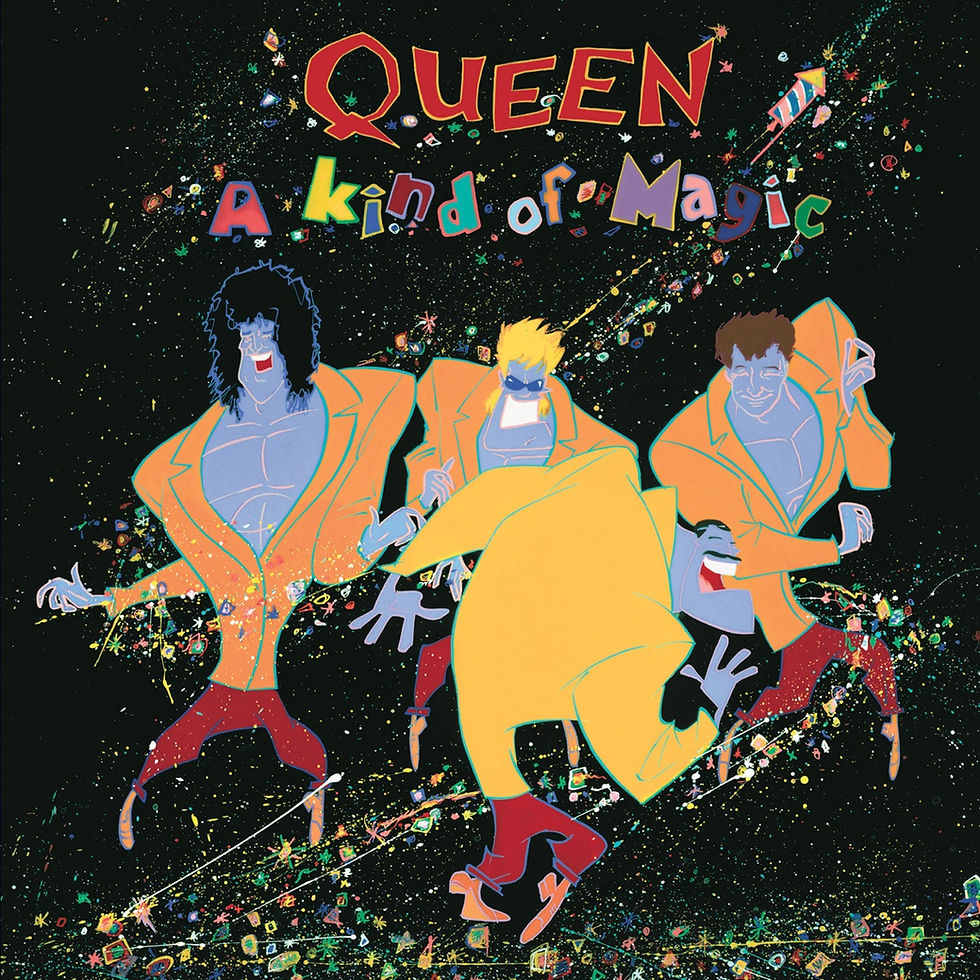
מעטים האלבומים בקטלוג של "Queen" שמזוהים עם רגע תרבותי מסוים ומובהק כמו "A Kind of Magic". האלבום הגיע זמן קצר לאחר הופעתה האגדית של הלהקה ב- "Live Aid" ונשען במידה רבה על החומרים שכתבה עבור הסרט "Highlander" משנת 1986. התוצאה היא אלבום שמציג את השילוב בין השניים: שירי רוק גדולים שנבנו עבור אצטדיונים עמוסים בקהל לצד יצירות בעלות אופי קולנועי שנועדו לשרת את העלילה והאווירה של הסרט. החיבור הזה מעניק ל"A Kind of Magic" זהות ייחודית, כשהוא נע בין המנונים רבי עוצמה המכוונים לשירה המונית לבין קטעים דרמטיים, תזמורתיים ואפלים יותר.
שישה מתוך תשעת שירי האלבום הופיעו בסרט "Highlander", אם כי בגרסאות שונות מאלו שנכללו באלבום. בשל כך, רבים רואים ב- "A Kind of Magic" כפסקול לא רשמי של הסרט. בנוסף, שיר הפתיחה "One Vision" הופיע שנה קודם לכן בסרט "Iron Eagle", מה שמחזק עוד יותר את הקשר של האלבום לעולם הקולנוע.
האלבום הופק על-ידי חברי להקת "קווין" בשיתוף Mack ו- David Richards, והוא מצליח לאזן בין שאפתנות קולנועית לבין כתיבת שירים נגישה ומכוונת רדיו. התוצאה היא יצירה שלעתים נעה בין פאר של פסקול קולנועי לבין עוצמה של מופע אצטדיונים, אך דווקא המתח הזה מעניק לאלבום חלק גדול מהייחוד והאופי שלו.
האלבום נפתח עם "One Vision". פתיח סינתיסייזרים אווירתי, שנבנה על ידי Brian May, נקטע באחת על ידי ריף גיטרה אדיר שמהווה הצהרת כוונות ברורה. למרות שהסינתיסייזרים תופסים מקום מרכזי בעיבוד, הם לחלוטין לא מאפילים על בסיס הרוק המוצק של השיר. התיפוף העוצמתי של Roger Taylor ועבודת הבס היציבה והמדויקת של John Deacon מספקים עמוד השדרה הקצבי של השיר והופכים אותו לאחד משירי הפתיחה הגדולים של "Queen" במהלך שנות השמונים.
שיר הנושא "A Kind of Magic" הוא גם הסינגל הראשון ששוחרר מן האלבום. השיר נכתב במקור על ידי Roger Taylor לסרט "Highlander", אך עובד מחדש כהמנון פופ סוחף. הגרסה המוכרת מהאלבום נשענת על מלודיה קליטה ואווירה קלילה יותר, לעומת הגרסה החלופית, הכבדה והרוקיסטית יותר, ששולבה בכתוביות הסיום של "Highlander". שתי הגרסאות מציגות זוויות שונות לאותו רעיון מוזיקלי, אך כל אחת מהן ממחישה את יכולתה של "Queen" להתאים את כתיבת השירים שלה ואת העיבוד להקשרים שונים מבלי לאבד את זהותה הייחודית.
השיר "One Year of Love" חושף צד שונה של "Queen". השיר, שנכתב על ידי John Deacon, נשען במידה רבה על השפעות של פופ וסול, ומחליף את גיטרת ה- Red Special המזוהה של Brian May בקלידים עשירים ובקטעי סקסופון של Steve Gregory. התוצאה היא בלדה אינטימית המאפשרת ל- Freddie Mercury להציג ביצוע ווקאלי מאופק ומלא רגש. זהו אחד הרגעים העדינים ביותר באלבום והוא מדגים את היכולת של הלהקה לצאת מאזור הנוחות הרוקיסטי בלי לאבד את הזהות המוזיקלית הייחודית שלה.
הקטע "Pain Is So Close to Pleasure" מוצא את "Queen" נכנסת לטריטוריה שבה ביקרה לעיתים רחוקות במהלך הקריירה שלה. השיר, שנכתב על ידי Freddie Mercury ו- John Deacon, שואב השראה ברורה ממוזיקת מוטאון ומסול קלאסי, ומשלב גרוב, הרמוניות קוליות עשירות והפקת פופ מלוטשת.
השיר "Friends Will Be Friends" שנכתב על ידי Freddie Mercury ו- John Deacon, מספק את אחד מהמנוני האצטדיונים החזקים ביותר באלבום. זהו אחד משירי הפסנתר האחרונים הגדולים של מרקורי. השיר, לא נכלל בפסקול הסרט "Highlander", והוא מזכיר קלאסיקות מוקדמות של "Queen" כמו "Play the Game" ו- "We Are the Champions".
האלבום מגיע לאחד השיאים שלו עם "Who Wants to Live Forever". השיר נכתב על ידי Brian May לאחר שצפה בגרסה מוקדמת של "Highlander". בגרסת האלבום הוא מבוצע כדואט בינו לבין Freddie Mercury. העיבוד התזמורתי, שעובד ונוצח על ידי Michael Kamen, מתרחב בהדרגה סביב אחת מהופעותיו הווקאליות המרשימות ביותר של מרקורי. השירה שלו נעה מדקלום שקט ואינטימי אל עבר שיא רגשי עוצמתי ושובר לב, כאשר השילוב בין המלודיה, התזמור והביצוע של מרקורי יוצר רגע שנחשב עד היום לאחת הפסגות האמנותיות של התקופה המאוחרת של "Queen".
אם יש שיר אחד שמאמץ באופן מלא את הווייב של הסרט, זה "Gimme the Prize (Kurgan's Theme)". השיר, שנכתב על ידי Brian May, הוא אחד הרגעים הכבדים ביותר באלבום. הוא נפתח עם סולו גיטרה וירטואוזי שרדינג, טאפינג, סליידים, מתיחות מיתרים ומה לא. בהמשך הוא נשען על ריפים כבדים ואווירה מאיימת ובלתי מתפשרת. קטעי דיאלוג מתוך "Highlander" משולבים לאורך העיבוד ומטשטשים את הגבול בין שיר רוק לבין פסקול קולנועי. עבודת הגיטרה האגרסיבית של מיי שולטת בשיר לכל אורכו, עם נוכחות ווקאלית סמכותית ועוצמתית של מרקורי.
השיר "Don't Lose Your Head" כולל הופעת אורח של Joan Armatrading. שם השיר מגיע ממשפט שהינו חלק מהתסריט של "Highlander". זה השיר עם ההפקה הכי אייטיזית באלבום, עם שכבות סינתיסייזרים, מכונות תופים וצליל אלקטרוני בולט.
שיר הסיום "Princes of the Universe" מספק התפרצות אחרונה של עוצמה, תיאטרליות ודרמה. זה שיר הנושא של הסרט "Highlander" והשיר היחיד באלבום שעליו קיבל Freddie Mercury קרדיט כתיבה בלעדי. השיר בנוי סביב ריפים אגרסיביים, מעברי קצב דרמטיים וביצוע ווקאלי אדיר של מרקורי. הוא מציג את הצד הכבד של "Queen" כשהיא חוזרת לשורשי ההארד רוק שלה. עבודת הגיטרה של Brian May בשיר מרשימה במיוחד. הוא נע ללא מאמץ בין ריפים חדים ותקיפים לבין קטעי סולו מלודיים.
בשנת 1986, "Queen" כבר לא הייתה אותה להקה הרפתקנית ופורצת דרך שיצרה כמה מאלבומי המופת הגדולים של שנות השבעים. בתקופה זו היא כבר התפתחה לכדי מכונה משומנת של המנוני ענק, עם יכולת נדירה לכתוב שירים שנועדו לכבוש אצטדיונים, ובמקרה זה גם מסכי קולנוע. ייתכן ש- "A Kind of Magic" אינו מציג את אותה רמת עקביות שאפיינה יצירות מופת של הלהקה כמו "A Night at the Opera" או "News of the World", אך ברגעיו הטובים ביותר הוא מספק כמה מהביצועים, הלחנים וההפקות המרשימים ביותר של הלהקה בתקופה המאוחרת של הקריירה שלה. זהו אלבום שממחיש כיצד "Queen" הצליחה להתאים את עצמה לעידן חדש מבלי לאבד לחלוטין את האישיות והכריזמה שהפכו אותה לאחת הלהקות הגדולות בתולדות הרוק.
להאזנה: Spotify, Apple Music
"עימות חזיתי" - בלוג הרוק של ישראל


תגובות